Just got a dental filling and how to take care of my tooth afterward. Cavities are a very common dental problem, and they are usually treated with fillings. If you recently received a dental filling in Etobicoke, proper aftercare is important to help the filling last longer and allow your tooth to heal properly. While the filling repairs the damaged part of the tooth, the care you take afterward helps protect the treated area and maintain your oral health.
Good aftercare helps reduce discomfort, protects the filling from damage, and supports long-term oral health.
What Happens During a Dental Filling?
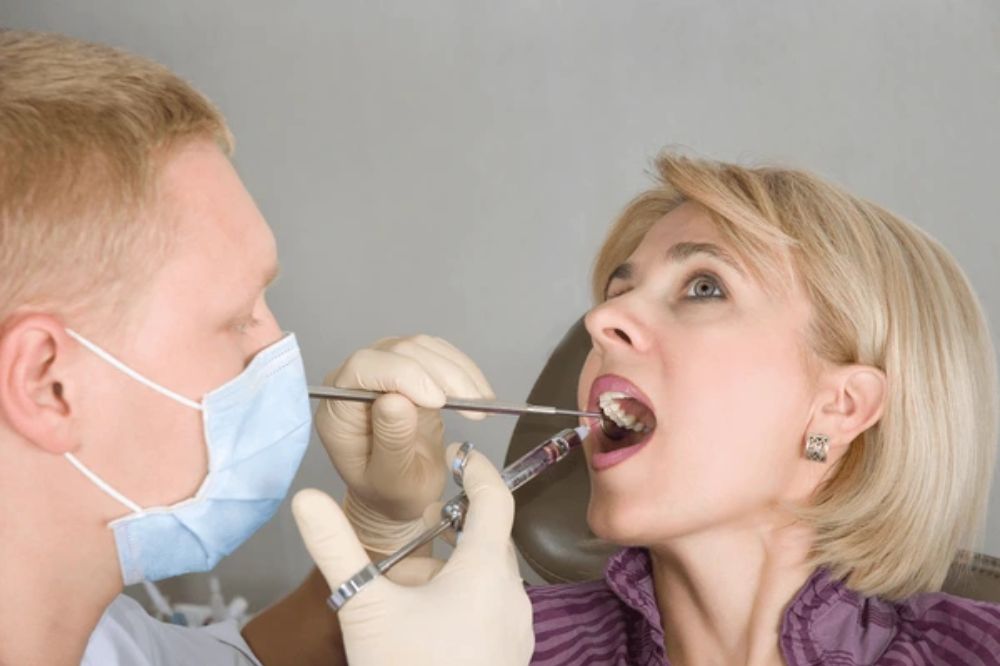
A dental filling is used to repair a tooth damaged by a cavity. The dentist removes the decayed part of the tooth and fills the space with a safe material to restore its shape and function.
This procedure helps stop the spread of decay and strengthens the tooth structure. However, the treated tooth can be sensitive for a short time, which is why proper care after the procedure is important.
Without proper care, a filling may wear down, loosen, or fail earlier than expected.
Why Aftercare Matters for Tooth Decay Prevention
Aftercare plays a key role in Tooth Decay Prevention because the area around a filling can still develop cavities if not cleaned properly.
Food particles and bacteria may collect near the edges of the filling if oral hygiene is neglected. Over time, this can lead to new decay around the restored tooth.
Benefits of proper aftercare include:
- Protecting the treated tooth
- Preventing bacteria buildup
- Reducing tooth sensitivity
- Helping the filling last longer
- Supporting overall oral health
Taking small steps after treatment can prevent bigger dental problems in the future.
Common Dental Filling Options
Understanding Dental Filling Options can also help you care for your restoration better. Different materials may have different care instructions.
| Filling Type | Key Features | Durability |
| Composite Filling | Tooth-colored and natural-looking | Moderate to long-lasting |
| Amalgam Filling | Strong metal material | Very durable |
| Ceramic Filling | Highly aesthetic and stain-resistant | Long-lasting |
| Glass Ionomer | Releases fluoride to protect teeth | Moderate durability |
Regardless of the type of filling, proper aftercare helps maintain the strength and function of the restoration.
Simple Aftercare Tips for Dental Fillings
Following simple habits after treatment can help protect your filling and prevent complications. Important aftercare tips include:
Avoid chewing on the treated side immediately.
Your tooth may feel numb for a few hours after the procedure. Avoid chewing until the numbness fades to prevent biting your cheek or damaging the filling.
Choose soft foods at first
If your tooth is sensitive, eat softer foods for the first day.
Examples include:
- Yoghurt
- Soup
- Eggs scrambled
- Smoothies
Look after your mouth
It is important to brush your teeth twice daily and carefully floss around the filled tooth to keep bacteria away.
Avoid extremely hot or cold food
After treatment, you may experience sensitivity to temperature changes.
Do not chew hard foods
Hard foods such as ice, hard candy, or nuts may place pressure on the filling.
Signs That Your Filling Needs Attention
Even with proper care, fillings can sometimes develop problems. Paying attention to early signs can help prevent bigger issues.
Watch for these symptoms:
- Sharp pain when biting
- Sensitivity that does not go away
- A rough or uneven surface
- Food is getting stuck near the filling.
- A cracked or chipped filling
If you notice any of these signs, it is important to seek professional advice.
How Professional Care Supports Filling Success
Dental visits are important in checking the status of your filling. A dentist in Etobicoke can inspect the filling, look for signs of wear, and make other adjustments when you go in for checkups.
Routine dental exams can find decay around the filling before that decay becomes serious.
Professional monitoring helps to ensure that the treated tooth works properly.
Long-Term Habits That Protect Your Fillings
Good daily habits can significantly extend the life of a filling and improve overall oral health.
Healthy habits include:
- Brushing with fluoride toothpaste
- Flossing daily to remove plaque
- Limiting sugary snacks and drinks
- Drinking plenty of water
- Visiting your dentist regularly
These simple habits support stronger teeth and reduce the chances of future cavities.
What Happens if Aftercare is ignored?
Ignoring aftercare can increase the risk of complications. Poor oral hygiene or chewing on hard foods can damage the filling or allow new decay to form.
Possible problems include:
- Filling cracks or loosening
- New cavities develop around the filling.
- Increased tooth sensitivity
- Infection inside the tooth
In severe cases, the tooth may require more complex treatment such as a crown or root canal.
This is why proper care after the procedure is extremely important.
A Healthy Smile Starts with Good Dental Care!
If you do not take proper care of your dental fillings, they can break down or fall out. Proper aftercare is necessary for the treated tooth, prevents decay from occurring again, and helps your restoration last for many years.
To obtain reliable dental care and professional guidance from Queen’s Plate Dental experts, escalate your dental problems to them. Schedule a consultation today to keep your smile protected while receiving extensive care for long-term oral health.
FAQs
How long do fillings last?
Most dental fillings are designed to last between five and fifteen years. Though your dental care routine can increase or decrease this. Going for regular dental checkups can ensure that the filling works fine.
Can I brush my teeth after getting a filling?
Yes. Brushing is important for keeping the area clean. Use gentle brushing and avoid putting too much pressure on the treated tooth for the first day.
Is it common to have sensitive teeth after having a filling?
It is common to feel sensitivity after a filling, most notably when eating. Usually, this will settle down as the tooth gets used to it.
Can fillings stop future cavities?
Fillings repair damaged teeth, but new cavities are still possible. By attending to oral hygiene and dentist visits, you can prevent your teeth from decaying.